
ICE Out of Target: Why a Familiar Store Is at the Center of Nationwide Protests
By
Alliyah Lusuegro
Posted:
|
Budget Process,
Immigration
Adobe Stock
For many families, Target is a familiar stop: a place to grab school supplies, home goods, popular snacks, or the latest entertainment device - all under one roof. It’s the kind of store woven into everyday life.
But across the country, people are beginning to ask a hard question: what does it mean to shop at a company that is cooperating with ICE and Border Patrol?
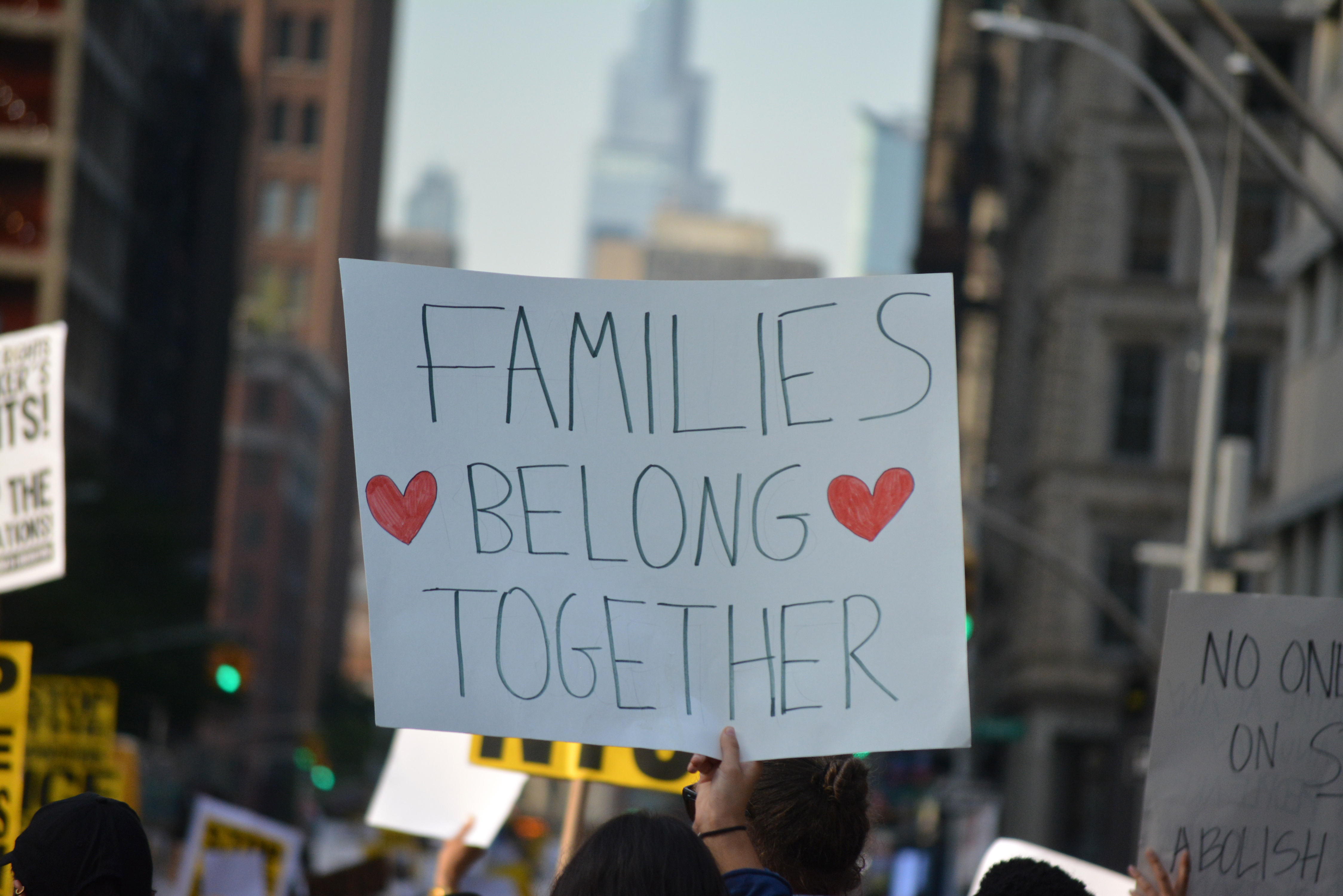
On January 31, 2026, crowds of fed-up people staged sit-ins at Target stores in cities including Washington, DC, Chicago, and New York. The protests followed a wave of outrage over the brutal killings of Keith Porter, Silverio Villegas González, Renee Nicole Good, and Alex Pretti at the hands of ICE.
In Minnesota, Target isn’t just another retailer. It’s the fourth largest employer in the state and a cornerstone of Minnesotan cultural identity, with its red bullseye logo appearing across sports teams and city life. Yet the company has faced growing backlash in recent years - first for donating $1 million to Trump’s inauguration, then for rolling back its DEI policies. Now, advocates say that Target has crossed another line: allowing ICE and Border Patrol agents to enter and operate inside its stores.
That concern became impossible to ignore on January 8, 2026, when Border Patrol agents assaulted and detained two U.S. citizens inside a Target store in Richfield, Minnesota. In response, residents began protesting at stores, demanding that Target immediately stop cooperating with ICE.
The pressure didn’t let up. On February 2, demonstrators returned - this time gathering at Target's headquarters in Minneapolis, just days after fanning out to 23 separate Target stores across the city - to repeat the same demands. Among them were Target workers themselves, some of whom say they witnessed colleagues taken by agents.
Target leadership, alongside executives from 60 major corporations in Minnesota, responded by publishing a letter calling for the "immediate de-escalation of tensions.” Advocates pushed back, arguing that de-escalation isn’t enough. Instead, they say corporations must take concrete action by refusing to cooperate with ICE and Border Patrol and demanding their removal from the state altogether.
These protests are unfolding as Congress negotiates funding for the Department of Homeland Security (DHS), the department that oversees ICE and Customs and Border Protection (CBP), after popular opposition to ICE and CBP killings arose during budget negotiations. DHS is currently operating under a temporary stopgap funding bill. Meanwhile, Trump’s so-called Big Beautiful Bill that passed last year pumped $170 billion into DHS for MAGA’s mass deportation agenda - including $75 billion for ICE and $58 billion for CBP through 2029. This funding comes on top of the agencies’ annual budgets, roughly doubling their joint annual budget and enabling abuses like those seen in Minneapolis.
Immigrant groups and advocates are clear about what they want next: ICE out of our communities, no more money for ICE - including the clawback of the $170 billion already allocated - and real accountability measures that would finally end the violence and abuse carried out by these agencies.
Our analysis at the National Priorities Project found that the $170 billion for mass deportations and detentions could fund nearly 400,000 livable-wage jobs for single-parent families with two children over four years.
For many, the question now isn’t just whether Target is a convenient place to shop - but whether a trusted household brand should be allowed to enable harm behind its familiar red-and-white logo.